Why Manchester United’s One-Year Extension for Bruno Fernandes Leaves So Many Questions Unanswered…
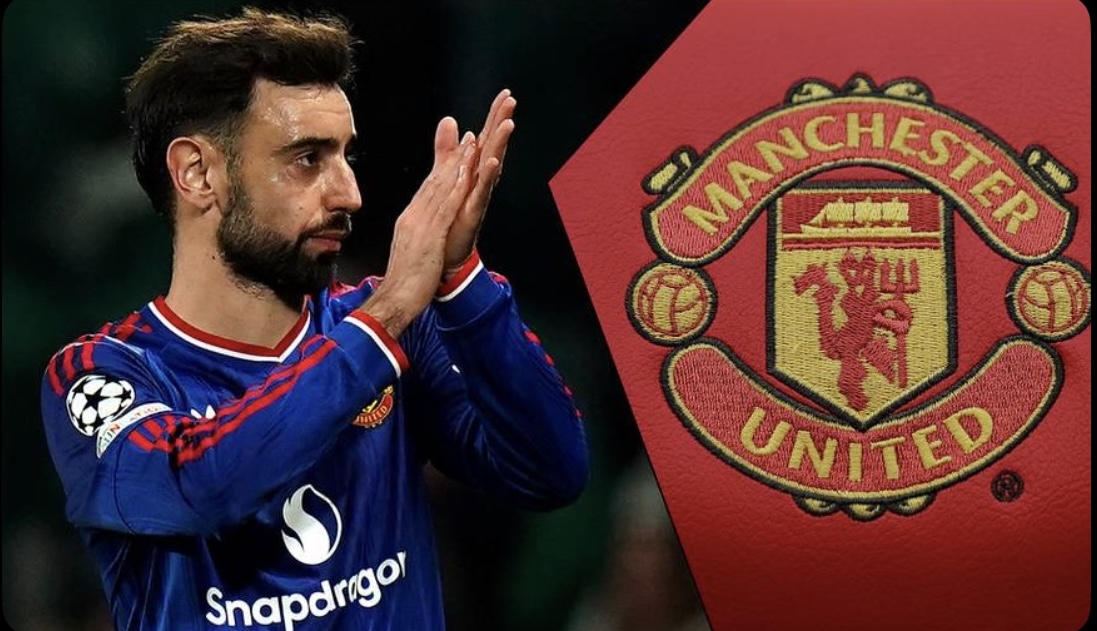
Manchester United’s decision to trigger the one-year extension option in Bruno Fernandes’s contract—pushing his deal from the summer of 2027 to the summer of 2028—looks straightforward on paper. On closer inspection, however, the move is less a vote of long-term certainty and more a defensive maneuver in a turbulent season. Rather than settling the club captain’s future, activating the clause highlights deeper tensions around United’s direction, dressing-room friction, and what happens next for a player who has carried the team’s creative load since arriving from Sporting CP in January 2020.
Protecting Leverage Ahead of January

The most immediate reason behind the extension is contractual protection. Had United left Fernandes’s previous deal untouched, the 32-year-old Portuguese midfielder would have been eligible to sign a pre-contract agreement with foreign clubs starting January 1, 2027, raising the prospect of losing a major asset for nothing. By exercising the 12-month option, the club blocks overseas suitors from locking him into a free transfer next summer and preserves its ability to command a transfer fee if a sale materializes in 2027.
In modern football, triggering an option year is often practical risk management rather than a sign that a player and club are aligned on a multi-year commitment. Reports indicate that talks over a fresh long-term contract have been put on pause rather than concluded, leaving both sides in a holding pattern while United tries to steady itself.
Stalled Talks and Dressing-Room Turmoil
The timing of the extension underscores how much has shifted around Fernandes over the past year. Fernandes has acknowledged that discussions over a new deal stalled because it is not the right moment to negotiate, with attention needing to shift toward winning matches. For a player who has long insisted his decisions are not driven by money alone, the frustration centers on competitiveness and ambition.
His relationship with the club’s recent turbulence has also drawn scrutiny. Reports note past friction—including a spell under Michael Carrick after Fernandes questioned tactical instructions, as well as lingering hurt over earlier moments when the club appeared open to moving him on. While Fernandes has maintained that his hunger for major trophies remains intact, a difficult campaign for United has made any long-term commitment feel premature for both the player and the hierarchy.
Early Days Under Pochettino and Immediate Fitness Doubts
The contractual move comes during the early stretch of Mauricio Pochettino’s tenure as head coach, as United works to reshape its identity and climb out of a dismal league start. At 32, Fernandes brings immense experience—having logged well over 300 appearances and more than a century of goals for United—yet age, heavy workload, and fluctuating form inevitably factor into how a club evaluates multi-year commitments.
Immediate matters on the pitch also complicate the picture. Pochettino confirmed that Fernandes returned from Portugal with a virus and missed Friday training ahead of the weekend clash with Brentford, leaving his availability in doubt as the coaching staff weighs whether to take any fitness risks.
What Happens Between Now and Next Summer?
Ultimately, the extension buys time without answering the biggest question: will Bruno Fernandes still be in Manchester once the 2026–27 season ends? Interest from abroad—including reports linking Italian clubs such as Juventus and AC Milan—continues to swirl around a proven playmaker entering the twilight of his prime. If United’s results improve and Pochettino’s project convinces Fernandes that silverware is back within reach, the extra year could serve as a bridge to renewed talks. If the struggles persist, however, triggering the clause simply ensures Manchester United holds the cards—and a potential price tag—when the summer window opens.