Secrecy and Scrutiny at FIFA: Why Debbie Hewitt Signed an NDA Over the Scrapped World Cup Sell-Off…
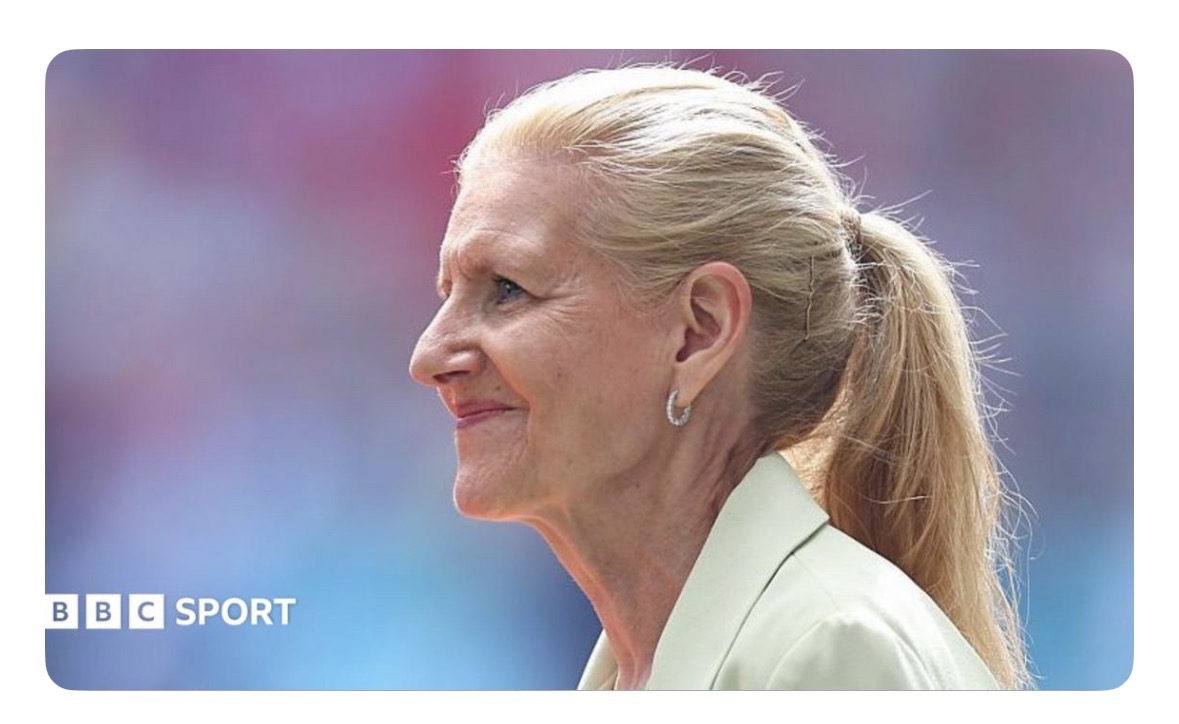
A deepening governance standoff in world football has placed Football Association chair Debbie Hewitt directly in the crosshairs of FIFA’s internal secrecy battles. According to reports from November 24, 2026, Hewitt—who also sits on the FIFA Council as a vice-president—traveled to FIFA’s headquarters in Zurich to inspect select documentation tied to the governing body’s abandoned plan to sell off commercial stakes in the World Cup. To view even those limited files, however, she was required to sign a non-disclosure agreement (NDA), gagging her from discussing what she saw.
That restriction highlights the sharp tension between transparency and control inside FIFA following the collapse of the controversial commercial initiative, widely referred to in reporting as the FIFA Forward Enterprise (FFE) proposal. Designed around an initial $20 billion valuation and drafted shortly before the final of the 2026 World Cup, the plan sought to route commercial and ticketing revenues from major tournaments into a new structure with private investment—reportedly involving a group led by Joshua Kushner’s Thrive Capital, with advice from JPMorgan.
What the Disputed Sell-Off Plan Entailed
Reports examining leaked and obtained files have shed light on why the proposal triggered such fierce pushback across global football:
Bullet Duration and structure: Documents indicated the arrangement could have spanned up to 96 years—built around 12-year rolling agreements—while seeking to preserve FIFA’s non-profit status alongside a for-profit commercial vehicle and potential stock market listing.
Bullet Investor access: Reporting suggests stakes were envisioned for private investors and potentially sovereign wealth funds, rather than rival football leagues.
Bullet Incentives and governance: Files pointed to a management incentive plan with equity allocations and bonus mechanisms tied to valuation growth above the initial $20 billion mark, with FIFA president Gianni Infantino slated to chair the venture’s board. FIFA has maintained that Infantino stood to gain no personal profit from the scheme, that leadership board roles carried no extra remuneration, and that full council sign-off would have been required.
Following intense opposition from confederations and member associations—including threats of boycotts from European football—FIFA scrapped the plan. Yet shelving the deal did not end the fallout; instead, it ignited a fierce battle over who gets to see the underlying paperwork and on what terms.
Council Pushback, Legal Battles, and Election Stakes
Rather than distributing full document packages openly, FIFA invited council members to view selected records in person in Zurich under tight controls. Before the inspection, Hewitt and fellow European council members questioned why their access was being curtailed given their fiduciary duties under FIFA’s own statutes and Swiss law. Once inside Zurich, signing the NDA meant Hewitt could review approved materials but could not publicly detail their contents.
The dispute is playing out on multiple fronts at once:
Bullet U.S. court filings: UEFA has pursued legal applications in the United States seeking broader disclosure from FIFA, Thrive Capital, and JPMorgan in connection with potential Swiss criminal proceedings—a move FIFA has dismissed as a “smear campaign”.
Bullet Political pressure on Infantino: Hewitt has been among the voices calling for Infantino to step down amid the governance row, while UEFA has thrown its weight behind French Football Federation president Philippe Diallo ahead of the FIFA presidential election scheduled for March 2027 in Rabat, Morocco. Despite losing backing from several associations and facing sharp criticism in Europe, Infantino remains widely viewed as the favorite to win a fourth term.
Even so, day-to-day diplomacy in world football continues alongside the boardroom feuds: just days earlier, on November 23, 2026, Hewitt embraced Infantino after the UK was awarded hosting rights for the 2035 Women’s World Cup. That contrast captures the moment clearly—cooperation on tournaments in public, and bitter legal and transparency warfare behind closed doors in Zurich.