Bruno Fernandes Pauses Manchester United Contract Talks Amid Turmoil at Old Trafford…
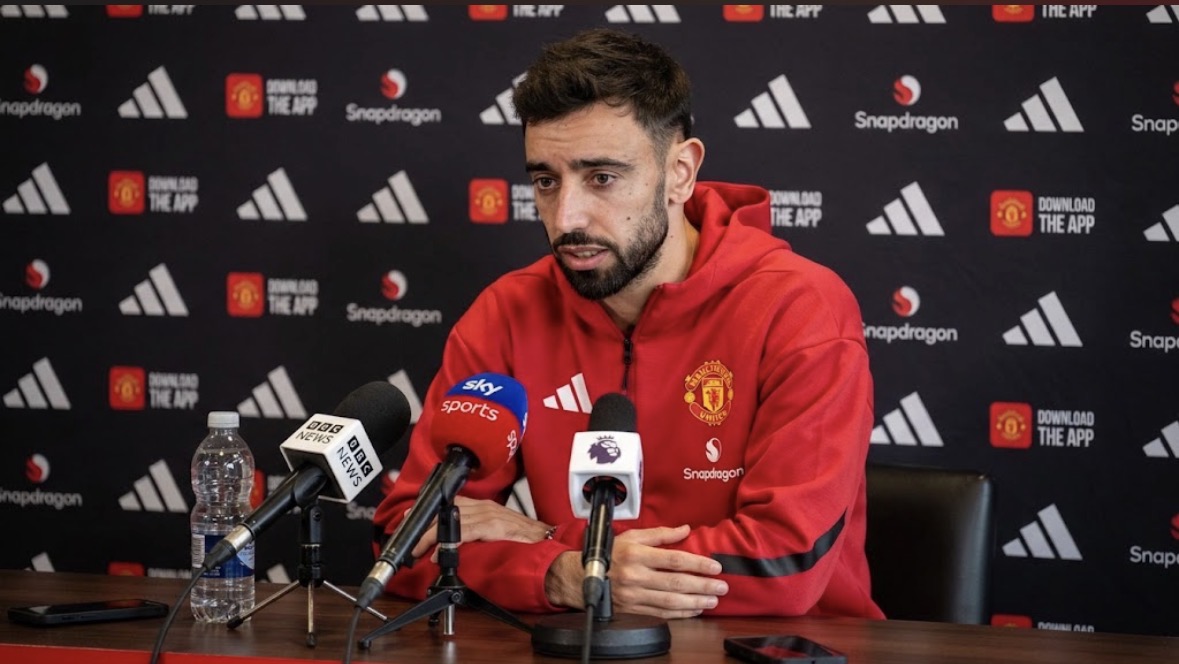
Manchester United captain Bruno Fernandes has put contract negotiations with the club on hold, insisting that now is “not the right time” to discuss his long-term future while the team struggles to find its footing. In an interview with Sky Sports, the 32-year-old Portuguese midfielder confirmed that Manchester United have tabled a new contract offer, but he emphasized that neither he nor the club should be distracted by long-term talks when winning matches is the immediate priority.
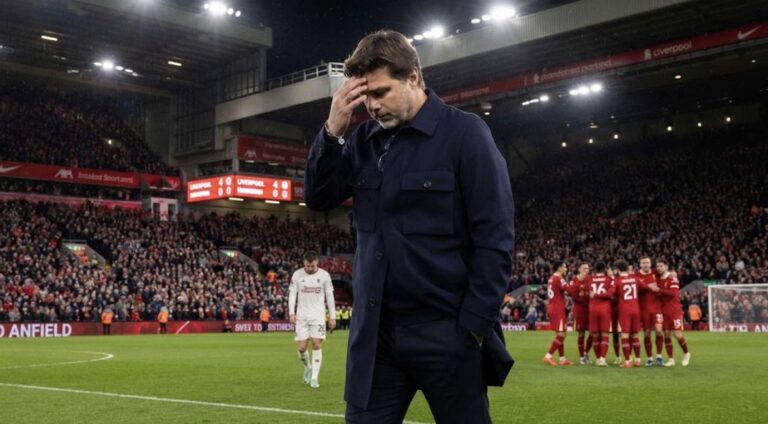
Fernandes’s decision comes at a turbulent moment for the club. United find themselves mired in the Premier League relegation zone—sitting 19th—following a difficult start to the campaign that recently cost Michael Carrick his job. Mauricio Pochettino has since stepped into the dugout to steady the ship, with his first match in charge set against rivals Liverpool. For Fernandes, who joined United from Sporting in 2020 and has tallied 75 Premier League goals, the focus has shifted from boardroom negotiations to on-pitch survival and recovery.
Pushing Back on Rumors Over Money and Length
Alongside his decision to shelve talks, Fernandes moved quickly to push back against claims that he has demanded higher wages or a longer contract extension. Addressing speculation surrounding his motives, he stressed that financial gain has never dictated his loyalty to Old Trafford. According to Fernandes, he has had opportunities in recent summers to depart for far more lucrative paydays—including potential moves to warmer climates and lucrative offers from Saudi Arabia—yet chose to stay.
Reports from Sky Sports News indicate that Fernandes has turned down two contract proposals from United, with the initial approach coming in the summer. While club chief executive Omar Berrada recently noted that discussions have taken place and praised Fernandes as captain, the midfielder made clear that no active negotiations are taking place right now. Having held preliminary conversations at the end of last season and the start of the current one, Fernandes felt the broader context around the squad made postponing talks the sensible choice.
Frustrations, Transfers, and a Changing Dugout
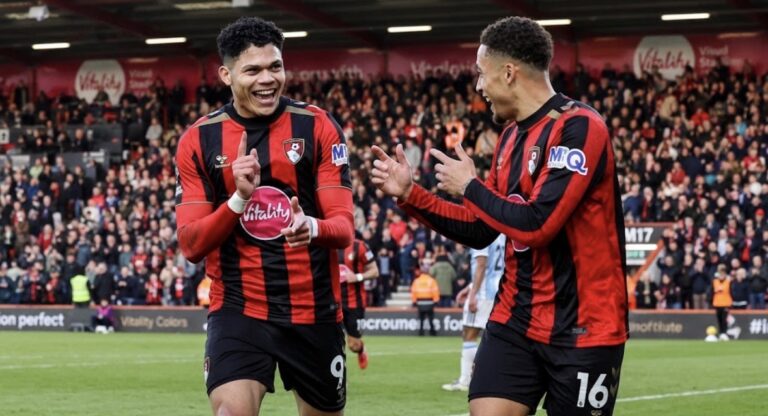
Fernandes’s caution reflects deeper frustrations behind the scenes during a grueling season. Since Sir Jim Ratcliffe and Ineos took a stake in the club, tensions and expectations have shifted, and several players have felt the squad was left short of key reinforcements after summer transfer targets—such as a left-back and a center-forward—went unfulfilled. Pressure has also mounted publicly, including after a loss at Como and a subsequent defeat to Bournemouth, where Fernandes was named on the bench and faced jeers from sections of the home crowd.
Even so, Fernandes pushed back against talk of a fallout with Carrick prior to his dismissal on November 12, noting that the former manager had told him before the Bournemouth match that a change was needed. With Pochettino now at the helm, Fernandes is expected to assess how the new boss reshapes the team’s identity and results before committing his future. Pochettino, at his introductory press conference, reaffirmed that Fernandes remains club captain and a vital figure in the dressing room.
The Contract Clock and January Looming
Fernandes’s current deal is set to expire at the end of the season, though Manchester United hold a one-year option that could extend his stay through June 2028. That clause gives the hierarchy a crucial lever ahead of the January transfer window: if United do not trigger the extension before January 1, Fernandes would be able to negotiate a pre-contract agreement with foreign clubs for a potential free transfer next summer.
Interest from abroad is already bubbling, with Italian reports linking AC Milan with a potential move and noting discussions among Milan’s leadership ahead of the winter window. For Manchester United, the immediate challenge is stabilizing results on the pitch under Pochettino while deciding whether to trigger the 12-month option to protect their asset—all while their captain waits to see if the club can turn its season around.